
Summer is the perfect time to enjoy hiking, gardening, camping, and spending time outdoors, but it’s also the height of tick activity in many parts of the United States. While most tick bites are harmless, finding one attached to your skin can feel unsettling, especially if you’re not sure what to do next.
Here’s a simple guide for what to do in case of a tick bite, which symptoms to watch for, and how homeopathy can be an essential part of a natural first-aid approach.
Lyme Disease Awareness
Lyme disease and other tick-borne infections are on the rise across the U.S.
Approximately 70% of people who become infected by a tick experience symptoms within 30 days after the bite.
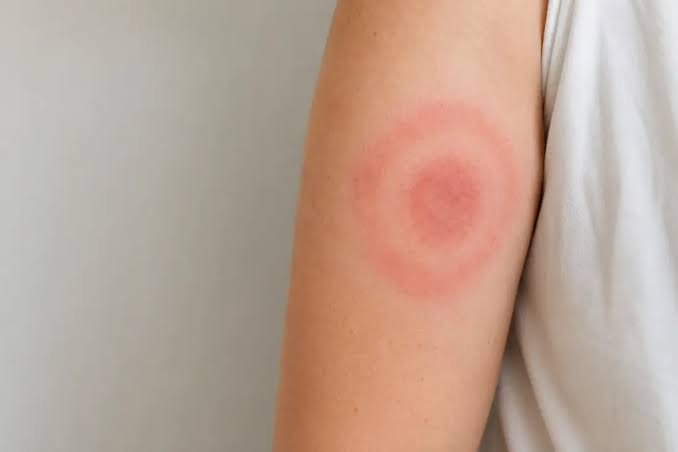
A rash may appear at the site of the bite, often described as a “bull’s-eye” rash. However, it’s important to note that up to 50% of individuals with Lyme disease do not develop this characteristic rash. In some cases, symptoms may be delayed or subtle.
Early symptoms may include:
- Headaches
- Flu-like symptoms
- Low-grade fever
- Fatigue
- Muscle or joint aches
- Swollen lymph nodes
Chronic Lyme Symptoms
Some people experience ongoing or chronic symptom patterns many years after a tick bite.
These may include:
- Persistent fatigue
- Brain fog or difficulty concentrating
- Constant joint or muscle pain
- Nerve pain or sensitivity
Early attention to tick bites and symptoms is an important way to identify and prevent a Lyme infection so that it is less likely to become chronic.
3 Steps to Take after a Tick Bite
While most tick bites do not lead to Lyme disease, it is still important to know what to do if you find a tick attached to your skin.
Step 1: Remove the Tick Promptly
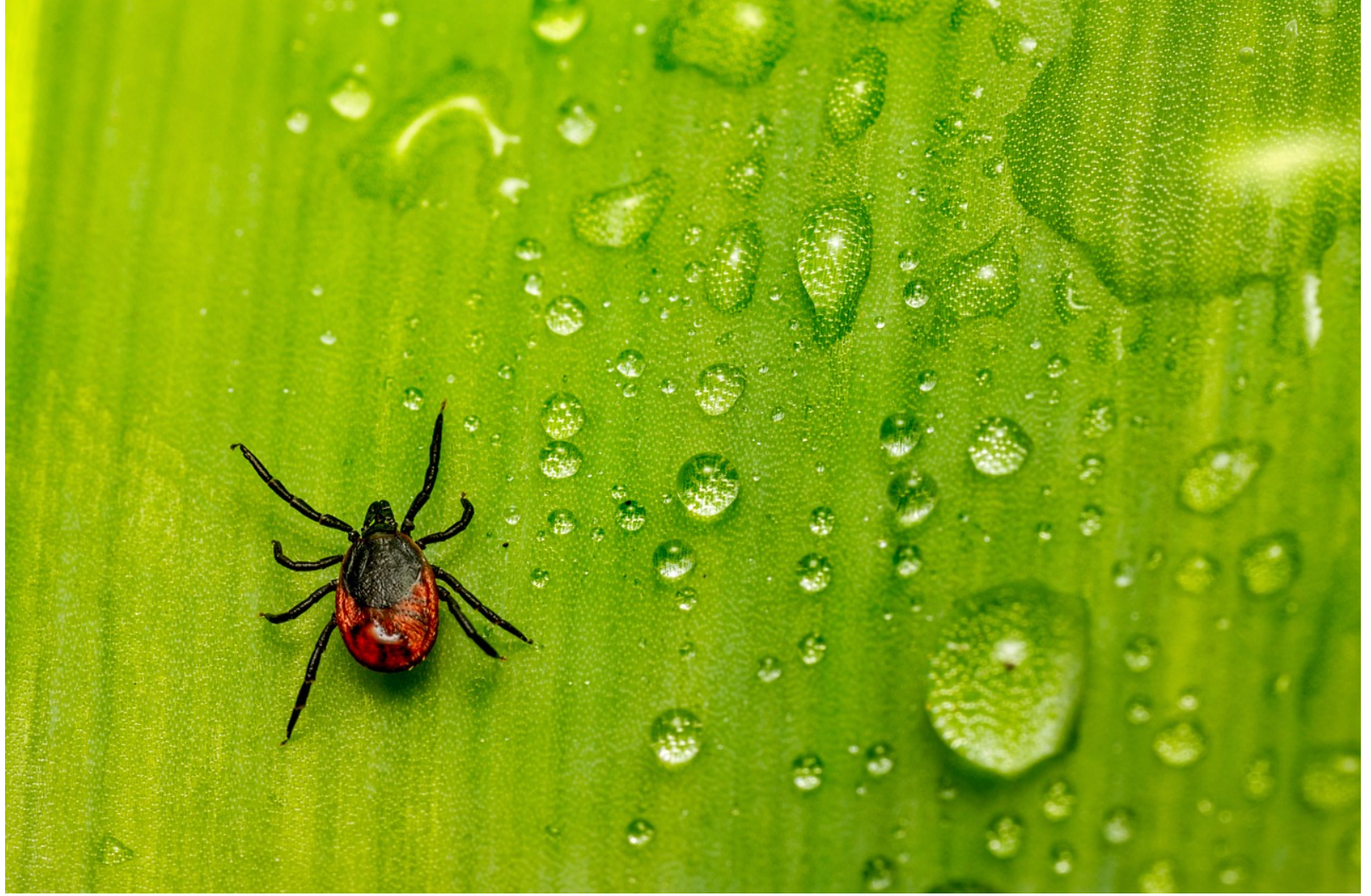
Using fine-tipped tweezers (or a tick removal tool such as a Tick Twister), grasp the tick as close to the skin as possible.
- Pull upward with steady, even pressure
- Do not twist or crush the tick
- Clean the area thoroughly with soap and water or calendula tincture
If possible, place the tick in a sealed container, submerged in alcohol. Keeping the tick enables you to see if it carries Lyme disease or other tick-borne infections later. You can send the tick to TickReport or Ticknology for evaluation.
Step 2: Observe Your Symptoms and Know When Medical Attention Is Needed
After removing a tick, pay attention to how you feel over the next few weeks, especially if it was attached for an extended period of time.
Contact your healthcare provider if you notice:
- A spreading rash (especially a bull’s-eye pattern)
- Fever or chills
- Fatigue
- Headaches
- Muscle or joint pain
- Flu-like symptoms
Remember that not everyone develops the classic bull’s-eye rash, so new symptoms after a tick bite should be taken seriously. In some situations, your doctor may recommend taking doxycycline for three weeks to help prevent or treat Lyme disease. Prompt medical attention is important, especially when symptoms are present.
Step 3: Consider Homeopathic First Aid
Ledum palustre (Marsh tea) is one of the most important homeopathic first-aid remedies for puncture wounds and insect bites. It is my first-choice remedy following a tick bite. I keep Ledum in my natural first-aid kit and in my travel bag, so it is always available when I need it. Personally, I take a few doses after every tick bite, even if I have no symptoms. Both the 30c and 200c potencies are commonly used and can be effective.
Ledum is often considered when:
- A tick has recently been removed
- The bite area is irritated, swollen, or sensitive
- The skin around the bite feels cold or chilly
Note: When my clients experience a tick bite, I usually suggest an individualized remedy to match their specific symptoms, along with targeted herbs like Cat’s Claw or Japanese Knotweed that may boost their immune system.
Directions for taking Ledum 30c or 200c: Place 2 pellets under your tongue, three times per day for 3 days. Avoid food and drink for 20 minutes before and after taking the remedy.
*These statements have not been evaluated by the Food and Drug Administration. The remedies mentioned in this article are not intended to diagnose, treat, cure, or prevent any disease. The information in this article is not intended to replace any recommendations or relationship with your physician.*

A Balanced Approach to Health
A tick bite can be unsettling, but having a plan makes all the difference. Knowing how to safely remove a tick, when to seek medical care, and how to use homeopathy as part of your first-aid toolkit can help you respond confidently.
One of the things I appreciate most about Classical Homeopathy is its versatility. Whether you’re dealing with an insect bite, a minor injury, or working to restore long-term balance, homeopathy offers individualized support that works with the body’s natural healing processes.
Having a few well-chosen homeopathic remedies on hand means you’re prepared for life’s everyday bumps, bites, and unexpected situations. A tick bite is just one example of how homeopathy can become a trusted part of caring for yourself and your family.