
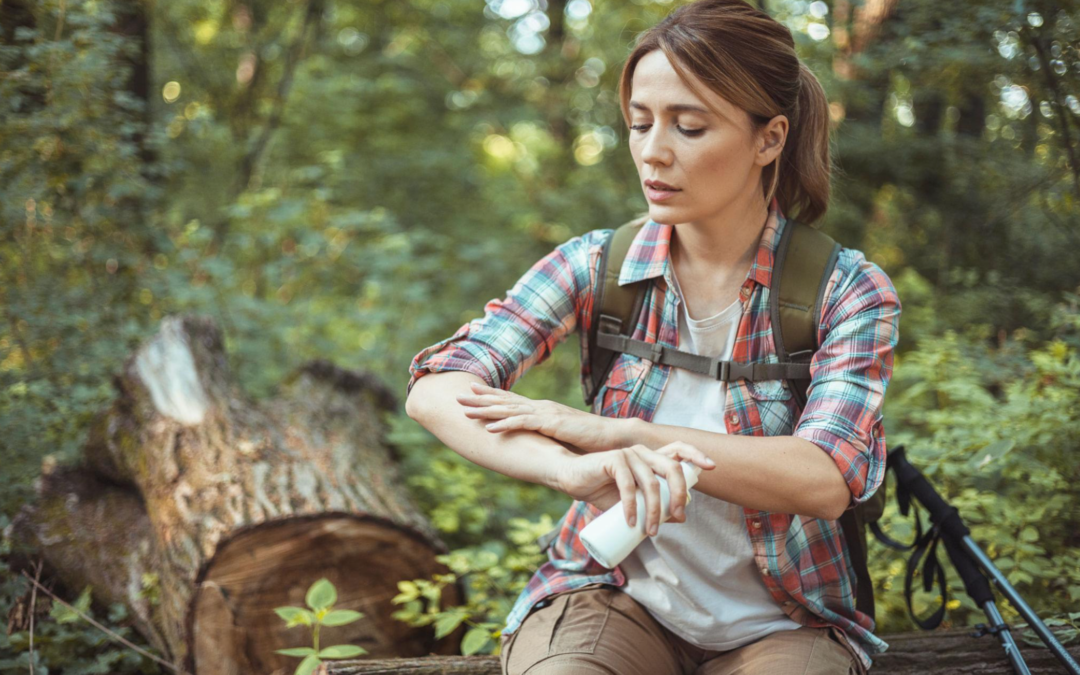
Summer is the perfect time to enjoy spending time outdoors hiking, gardening, camping, or relaxing. Unfortunately, it’s also when ticks are most active.
Earlier this spring, emergency room visits for tick bites in the United States reached their highest levels in nearly a decade. Although ticks can be active year-round in some regions, tick activity typically peaks between April and October.
Some species of ticks carry bacteria, viruses, and parasites that can cause disease in humans. Ticks can be associated with illnesses such as Lyme disease, Rocky Mountain spotted fever, babesiosis, and alpha-gal syndrome (a red meat allergy), among others.
The good news is that a few simple precautions can greatly reduce your risk of being bitten. Here are my best tips for preventing tick bites so you can enjoy the outdoors with greater peace of mind.
How to Protect Yourself
Prevention is your best defense against tick bites.
BEFORE You Go Outside
- Wear long sleeves, long pants, and closed-toe shoes to minimize exposed skin.
- Choose light-colored clothing so ticks are easier to spot.
- Apply an effective DEET-free tick repellent to exposed skin.
- Treat your clothing, socks, boots, and camping gear with an effective tick repellent, such as oil of lemon eucalyptus or picaridin, or consider purchasing pre-treated clothing from brands like Insect Shield.
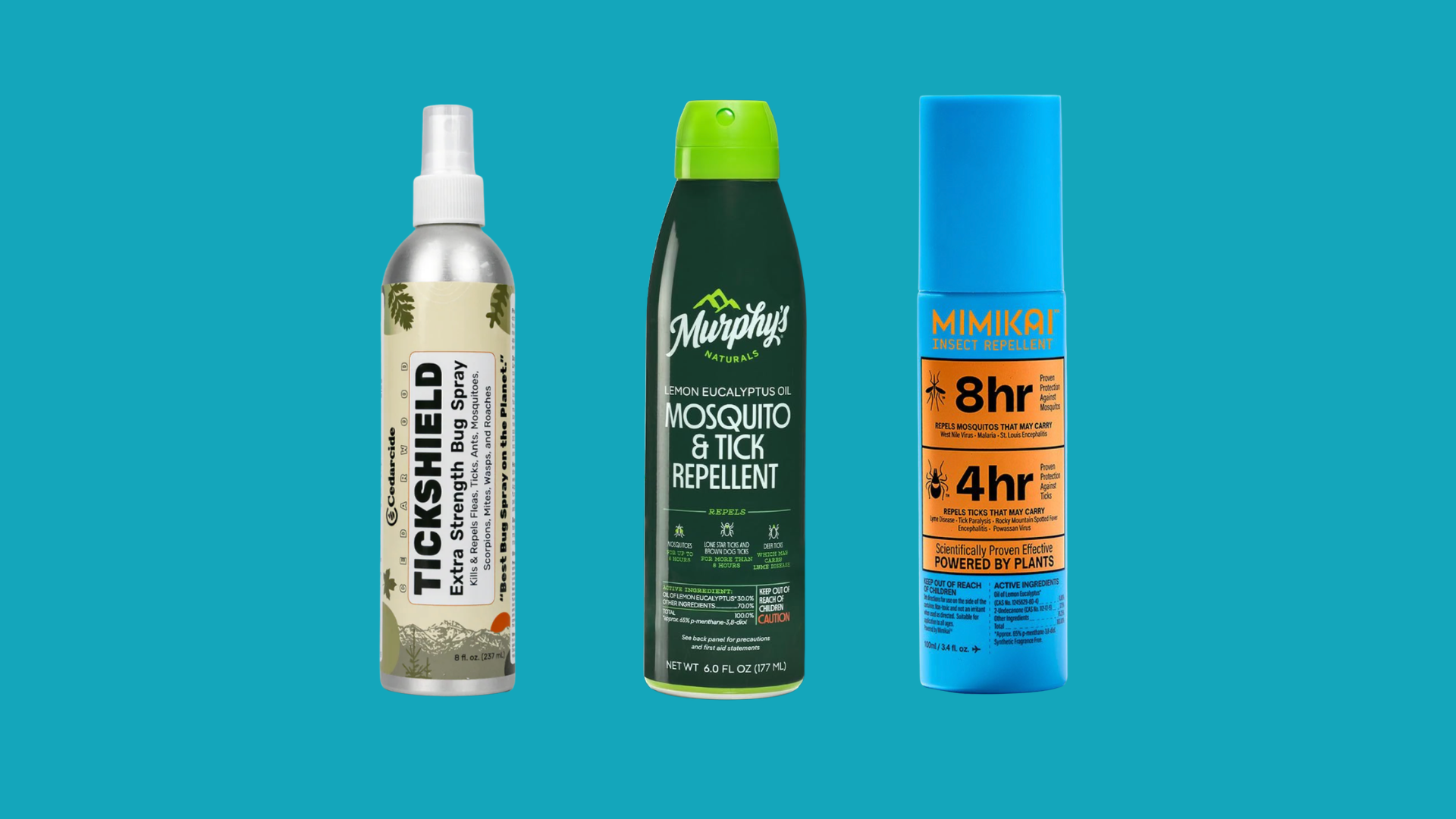
My favorite natural repellents for both skin and clothes:
- Cedarcide Tickshield
- Murphy’s Naturals Lemon Eucalyptus Spray
- Mimikai Mosquito & Tick Repellent
DURING Outdoor Activities
- Stay on marked trails, ideally in the center, and avoid walking through tall grass and brush where ticks are commonly found.
- Create a buffer of wood chips or gravel between your yard and wooded areas to help reduce tick migration.
- Protect your home and gardens by spraying your yard with a plant-based product like Wondercide Yard & Garden Spray.
AFTER Time Outdoors
- Perform a thorough tick check, paying special attention to your scalp, behind your ears, under your arms, around your waist, inside your belly button, behind your knees, and in the groin area.
- Shower within a few hours of coming indoors to wash away unattached ticks.
- Check your pets carefully if they have been outside—they often bring home unwanted hitchhikers.
- Place your clothes in the dryer on high heat for at least 15 minutes to kill any ticks that may be hiding in the fabric.
These simple steps can significantly reduce your chances of a tick bite and help you enjoy your favorite outdoor activities all season long.
FOOD FOR HEALING
Salmon with Peach-Avocado Salsa
Sweet summer peaches, creamy avocado, fresh lime, and perfectly seasoned wild salmon come together in this colorful, nutrient-rich meal. It’s delicious baked or grilled and pairs beautifully with brown rice, quinoa, or fresh vegetables.
Serves 4

Salmon
- 1½ pounds wild Alaskan salmon
- 2 tablespoons olive oil
- 2 tablespoons tamari
- 2 tablespoons balsamic vinegar
- ½ tablespoon honey
- 3 cloves garlic, minced
- 1 teaspoon red pepper flakes
- ½ teaspoon cayenne pepper
- 1 teaspoon freshly grated ginger
Peach-Avocado Salsa
- 1 peach, diced and peeled
- 1 avocado, diced
- 3 tablespoons diced red onion
- 2 tablespoons chopped cilantro
- 1 jalapeño, seeded and diced
- Juice of 1 lime
- Sea salt and freshly ground black pepper, to taste
Directions
- Whisk together the olive oil, tamari, balsamic vinegar, honey, garlic, red pepper flakes, cayenne, and ginger.
- Place the salmon skin-side up in a shallow dish. Pour the marinade over the salmon, cover, and refrigerate for 30-60 minutes.
- Combine all salsa ingredients in a medium bowl and gently toss.
- Preheat the oven to 400°F. Place the salmon skin-side down on a parchment-lined baking sheet and bake for 15-20 minutes, or until it flakes easily with a fork.
- Top with the peach-avocado salsa and serve with light sides like brown rice and snap peas.
Next in the Series
A little prevention goes a long way. With a few practical habits and the right natural products on hand, you can spend more time outdoors with greater confidence and peace of mind.
In Part Two, “What to Do If You’re Bitten by a Tick,” I’ll explain exactly what to do if you find a tick attached to your body—including how to remove it safely, when to monitor for symptoms, and why Ledum palustre is the homeopathic remedy I always keep in my natural first-aid kit.